

2026 Outlook: The “Halo Effect” and Orlando’s Rise as a Global Node
With only hours remaining before the start of 2026—the year in which the United States, Mexico, and Canada will host the largest sporting event in history—analytical focus is shifting from official host cities toward the strategic centers absorbing the real economic impact.
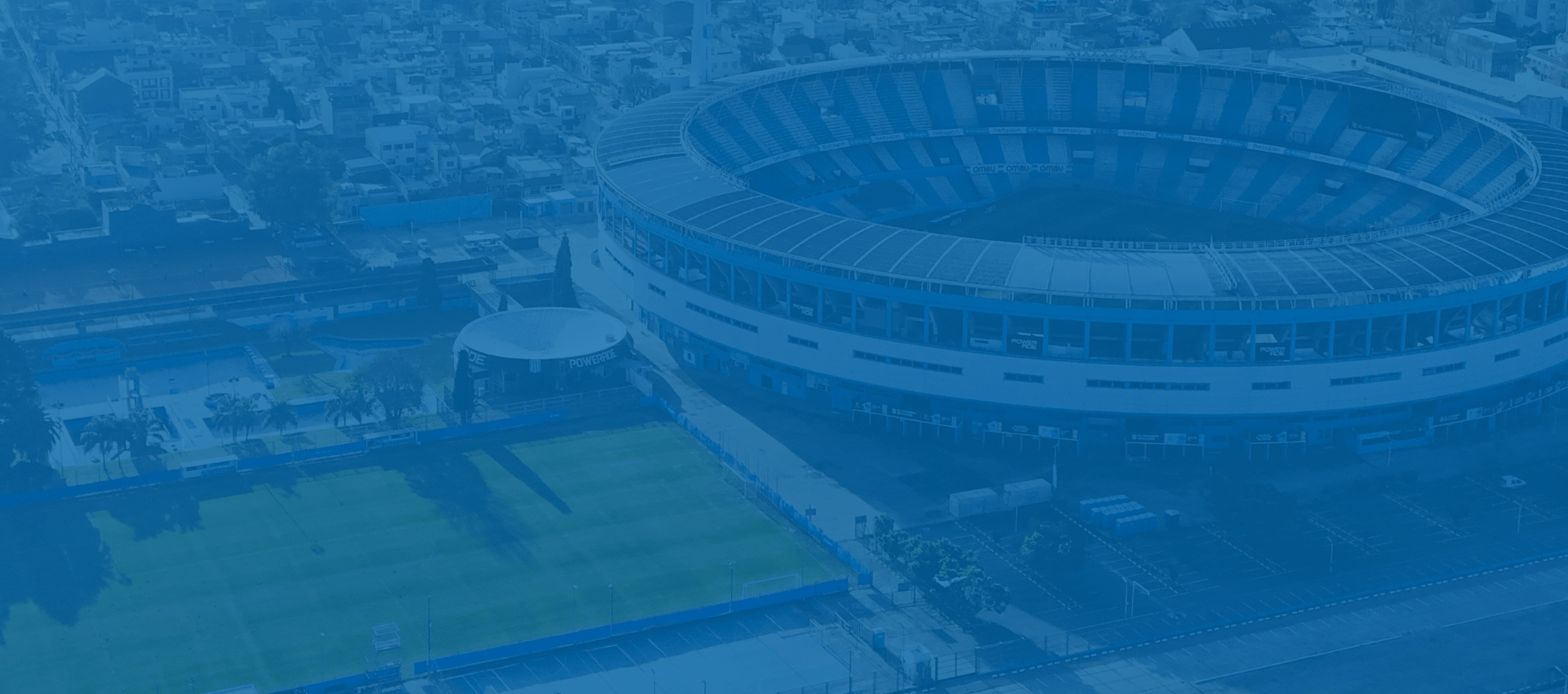 The 2026 World Cup acts as a regional economic accelerator beyond host cities.
In this context, Orlando, Florida, emerges not as a bystander, but as the central case study of a second-order growth phenomenon: the Halo Effect.
1. 2026 Connectivity: The Florida Corridor
Unlike any previous economic cycle, Orlando enters 2026 fully integrated with South Florida. The consolidation of the Brightline rail system has effectively eliminated operational barriers with Miami—an official host city—positioning Orlando as a key logistical and operational hub for the tournament.
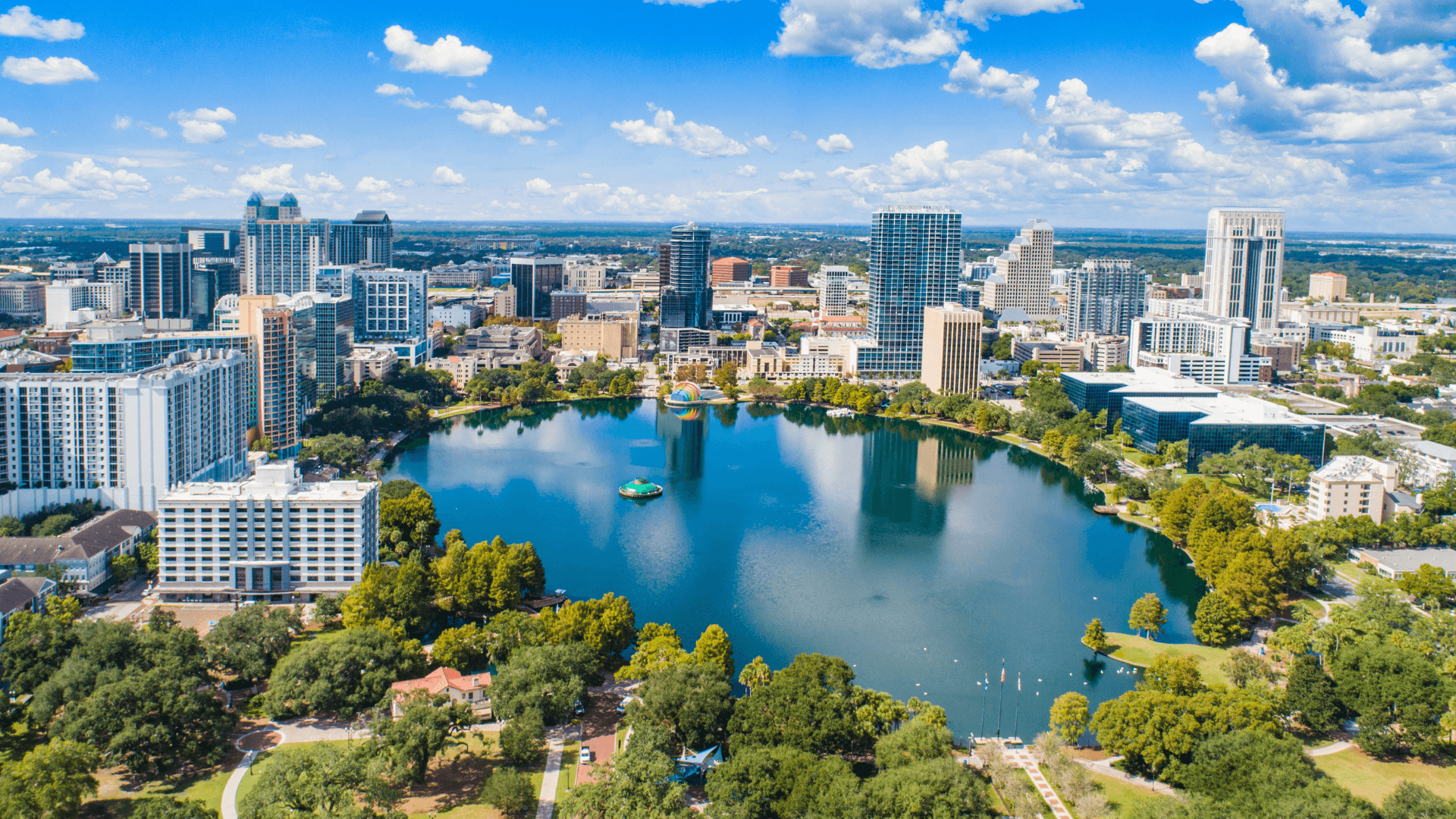 High-speed rail integrates Orlando into a single economic corridor with host cities.
With Orlando International Airport (MCO) operating at near full capacity following the maturation of Terminal C, the city is positioned to redistribute a flow exceeding 57 million passengers annually.
2. Infrastructure Resilience: The Advantage of Scale
While host cities face the challenge of saturation, Orlando enters 2026 with unmatched supply elasticity. Its more than 150,000 hotel rooms allow it to absorb global demand peaks without severe logistical disruption.
 Scale provides Orlando with structural resilience during global demand surges.
3. The Economic Barometer: 2026 Projections
| Sector | Key Indicator | 2026 Outlook |
|---|---|---|
| Hospitality | RevPAR | 15–20% growth during peak summer months |
| Short-Term Rentals | Advance bookings | High probability of full saturation months in advance |
| Real Estate | Foreign Direct Investment | Acceleration in mixed-use and vacation assets |
4. Beyond Football: The Extended-Stay Visitor
Orlando’s true economic advantage lies in its continuous entertainment ecosystem. World Cup visitors extend their stay well beyond match days, generating sustained consumption across retail, transport, and experiences.
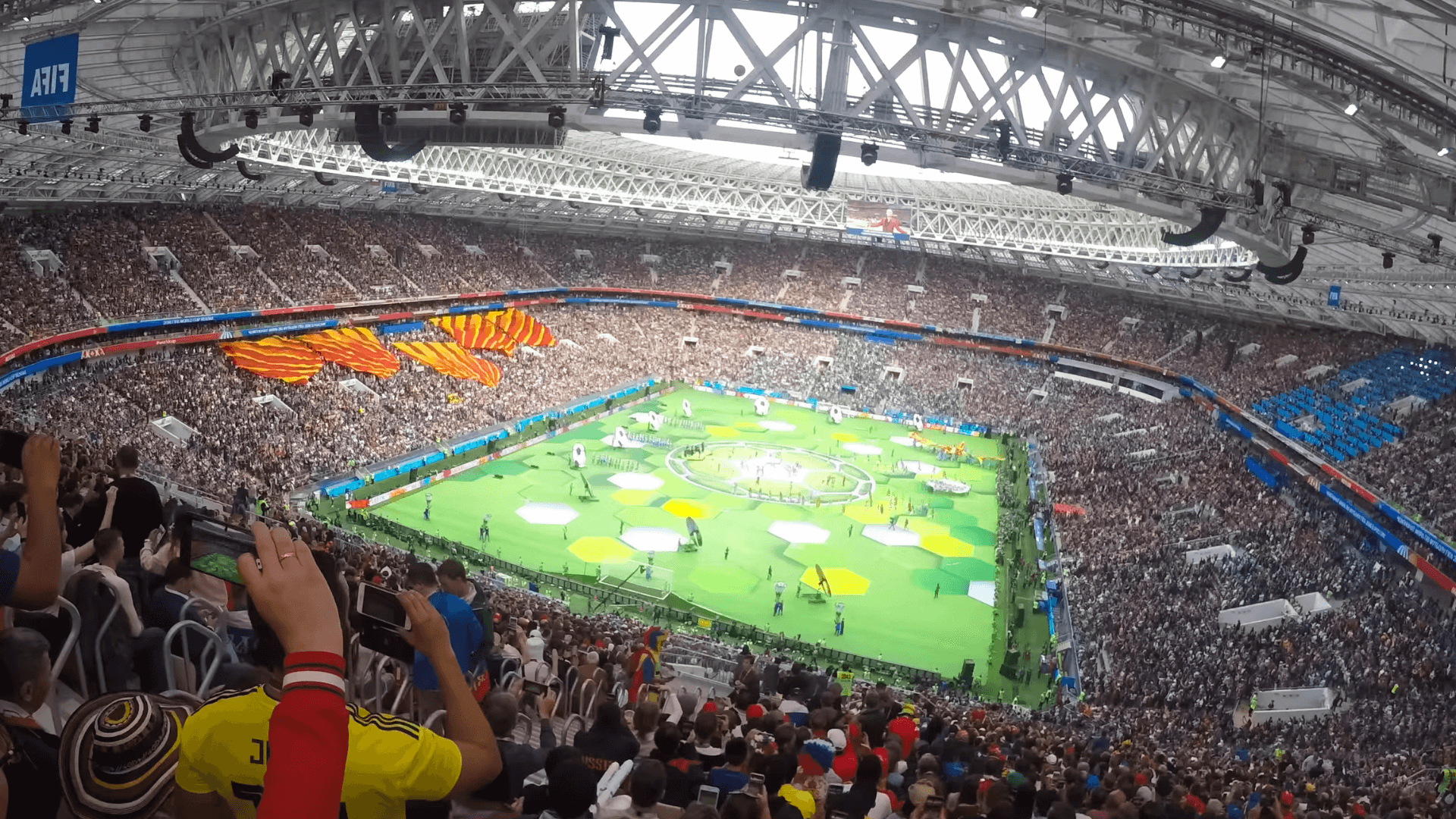 Extended-stay tourism amplifies local economic multipliers.
5. The Challenges of a Historic Year
The success of 2026 will depend on operational execution. Inflationary pressure, infrastructure saturation, and interregional coordination will determine whether short-term gains translate into long-term urban positioning.
The 2026 World Cup represents the final stress test of Orlando’s urban maturity. Beyond football, it marks the moment the city consolidates itself as a global metropolitan node capable of integrating logistics, tourism, and investment at continental scale.

Recent Comments